Water: shut the main valve, then find the source
Every flat has a main valve, usually in the bathroom or the kitchen next to the meter. Find it now, while everything is calm, not during the emergency — and show everyone in the household. In a leak you close it first and only then look for where the water is coming from. If water is reaching the neighbour below, tell them straight away: their damage will be greater than yours, and delay makes it worse.
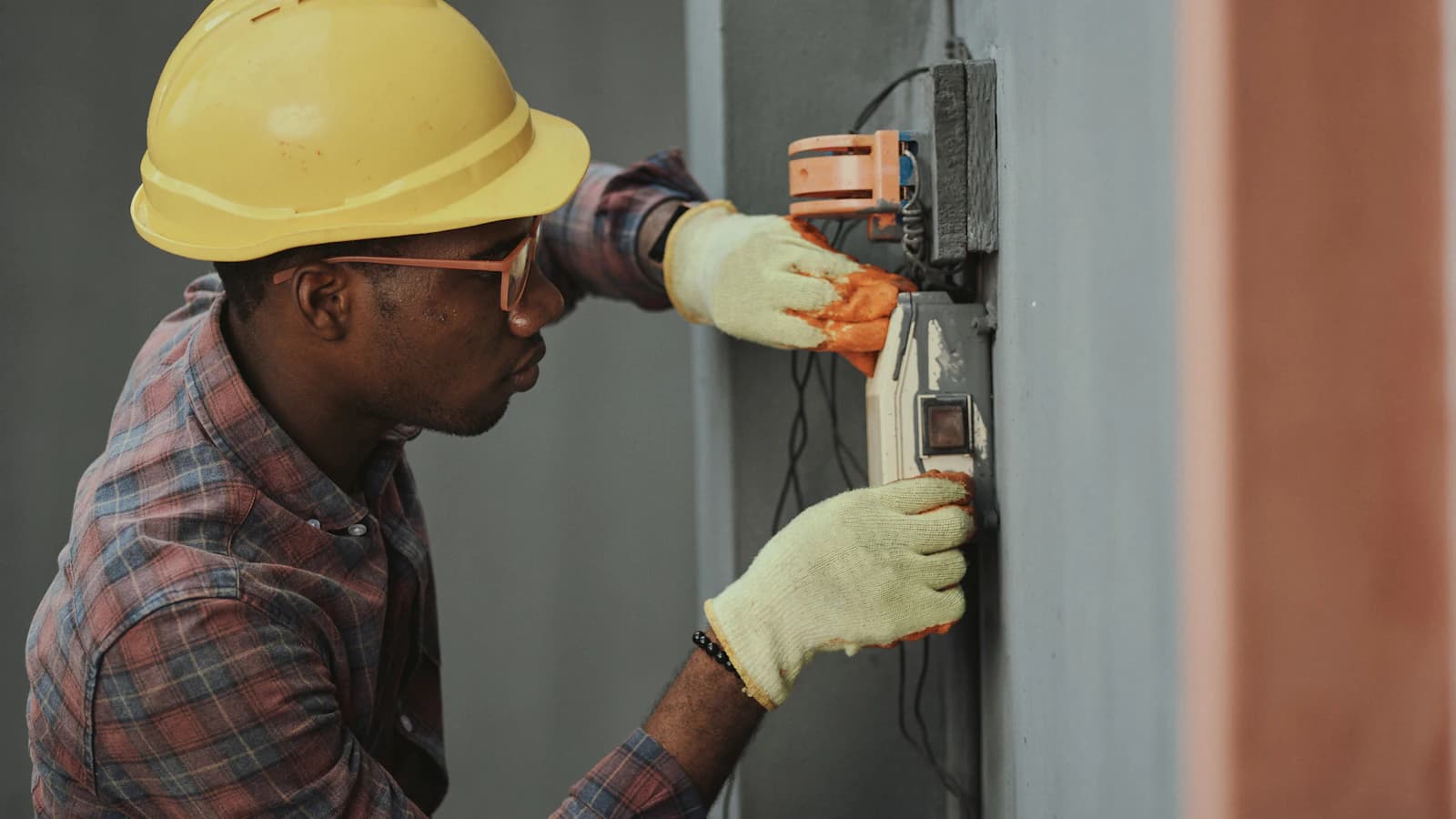
Power: the breakers before anything else
If the board tripped, unplug all the large loads (water heater, washing machine, oven) and only then push the breaker back up. If it trips again immediately you have a short circuit — do not insist, leave it off and call an electrician. Repeatedly resetting a breaker that keeps tripping is exactly the mechanism by which wiring catches fire. If you smell burnt plastic or see a blackened socket, cut the power to the whole flat at the board.
What you can safely do yourself
No risk: changing a bulb, replacing the washer on a dripping tap, clearing a trap with a plunger, tightening a weeping flexible hose. All of it is done with the water or the power off and with ordinary tools. If the job requires opening a wall, working inside the board or cutting a welded pipe, you have left the safe zone.
What you never touch yourself
The electrical board beyond the breakers, gas installations in any form, the building’s shared water riser and the boiler. The first two are dangerous to you, the last two are dangerous to the whole building — and unauthorised work also makes you liable for the damage. With gas, if you smell it: do not switch on the light, do not use your phone in the room, open the windows and leave.
How to request an emergency call-out properly
Attach a photo of the problem to the listing itself — a tradesperson who can see the tap or the socket knows immediately which parts to bring and can give you a realistic price rather than one “decided on site”. Only mark the job urgent if it really is: the rate rises by 35%, but in exchange available providers nearby get an instant notification. For something that can wait until tomorrow, a standard order will bring you better offers.